Haringey Cleaner in Haringey

Haringey Cleaner provides cleaning in Haringey with a focus on practical domestic and commercial work that helps homes, rented properties and workplaces stay presentable, hygienic and ready to use. The service range includes regular cleaning, one-off visits and deeper treatment for spaces that need more than a quick surface tidy. If you want straightforward support for everyday upkeep or a more detailed clean for a specific room or property type, the aim is to make the process clear and manageable from the first enquiry.
The main service is flexible enough to cover different property sizes and cleaning priorities, while keeping the work centred on visible results and sensible organisation. A client might need help after a busy period, before guests arrive, at the end of a tenancy or simply to maintain standards week by week. We work across common interior areas, and the service can be shaped around rooms that need particular attention, such as kitchens, bathrooms, reception areas, carpets, upholstery or hard floors.
For a clear starting point, it often helps to think about the outcome you want rather than only the individual tasks. Some customers want a light reset of the whole property; others need focused work on high-use spaces or a deeper clean where build-up has become noticeable. Tell us what needs attention, and if you already know the rooms, surfaces or date that matter most, that will make the quotation process easier to shape around your needs.
Domestic cleaning for lived-in homes
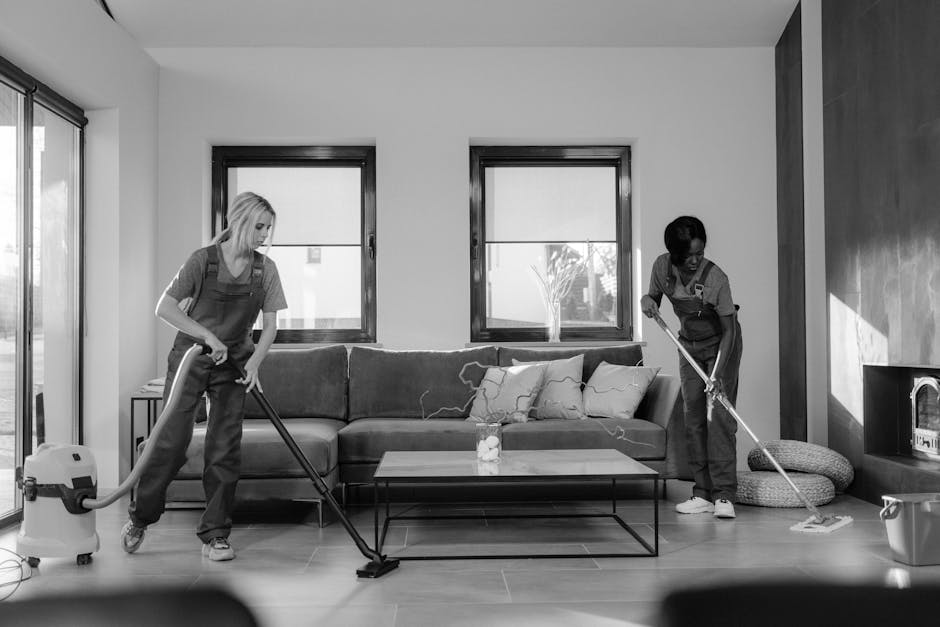
Domestic cleaning is suited to homes that need regular support with the tasks that keep rooms comfortable and orderly. That can include dusting, wiping reachable surfaces, vacuuming, mopping, kitchen freshening and bathroom cleaning, along with small finishing touches that improve the overall impression of the property. The work is usually most effective when it is planned around the areas that collect day-to-day wear rather than trying to treat every room as if it needs the same level of attention.
For households with busy schedules, the best approach is often to prioritise the rooms that see the heaviest use. Hallways, kitchens and washrooms tend to need repeat attention, while bedrooms, lounges and dining spaces may need a steadier maintenance routine. Domestic cleaning can therefore be arranged as a regular housekeeping-style visit or as a more occasional reset, depending on how much upkeep the property needs and how much of the work you would rather hand over.
When a clean is planned well, it is easier to keep the results consistent from visit to visit. Some clients prefer a detailed list of tasks; others want a more general tidy that concentrates on standards across the whole home. In either case, it helps to identify any surfaces that need special care, such as polished wood, delicate fittings or busy family spaces where the finish must be neat without being over-processed. Ask for a quotation if you want a tailored scope for your home.
One-off and deep cleaning options
Some properties do not need a standing routine; they need a single, more intensive visit that tackles accumulated dirt, neglected edges or rooms that have simply fallen behind. One-off cleaning is useful for that kind of work because it is built around a defined outcome rather than an ongoing schedule. It can be a sensible choice after a period of absence, before a move, before visitors arrive or when a regular clean is not enough to restore a comfortable finish.
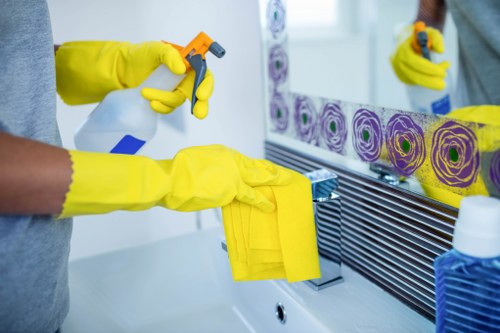
One-off cleaning is often paired with deep cleaning when the job requires more than everyday maintenance. Deep work usually goes further into details such as skirting boards, switches, accessible fixtures, the inside and outside of reachable cabinets, and other places where grime can linger unnoticed. The exact scope should be agreed in advance so that the clean reflects the condition of the property and the level of detail you expect rather than relying on a generic checklist that may not suit the room.
In practical terms, this kind of work is most valuable where there is visible build-up or where the finish has to be reset to a higher standard. It may also suit rooms that are used heavily but cleaned too briefly to achieve a proper result. If you are comparing options, think about whether you need maintenance, a one-time refresh or a more comprehensive treatment that spends longer on detail. Request a quote once you know which level of service fits the property best.
End of tenancy and after-builders cleaning
Move-related cleaning is different from routine home care because the aim is usually to present a property in a better state for handover, inspection or reoccupation. End of tenancy cleaning tends to involve more detailed attention to kitchens, bathrooms, floors and visible fixtures, as these areas are commonly checked most closely. It can also include areas that are easy to overlook during everyday living, such as internal surfaces, accessible cupboards and the edges where dust tends to gather over time.
End of tenancy cleaning is best approached as a structured task with clear expectations rather than a quick tidy. If the property has been occupied for some time, the work may need to focus on lifting marks, addressing built-up residue and restoring a cleaner finish across multiple rooms at once. Where the property is being prepared for the next occupant, the aim is to create a more neutral, ready-to-use appearance that supports the handover process.
After building work, the priorities change again. After-builders cleaning is designed to remove the dust, debris and smears that can remain once trades and finishing work are complete. This kind of clean may need careful handling of flooring, ledges, window frames and other surfaces that collect fine particles during work. Book a quotation if you want the scope matched to the condition left behind by the job.
Specialist floor, carpet and fabric care

Some cleaning tasks benefit from being treated as specialist care rather than general housekeeping. Floors, carpets, rugs, upholstery and sofas all behave differently, so the tools and methods used need to suit the material as well as the level of soil present. A floor that needs degreasing, for example, is not the same as a fabric seat that needs careful cleaning of marks, odours or embedded dust. Matching the method to the surface helps protect the finish while improving appearance.
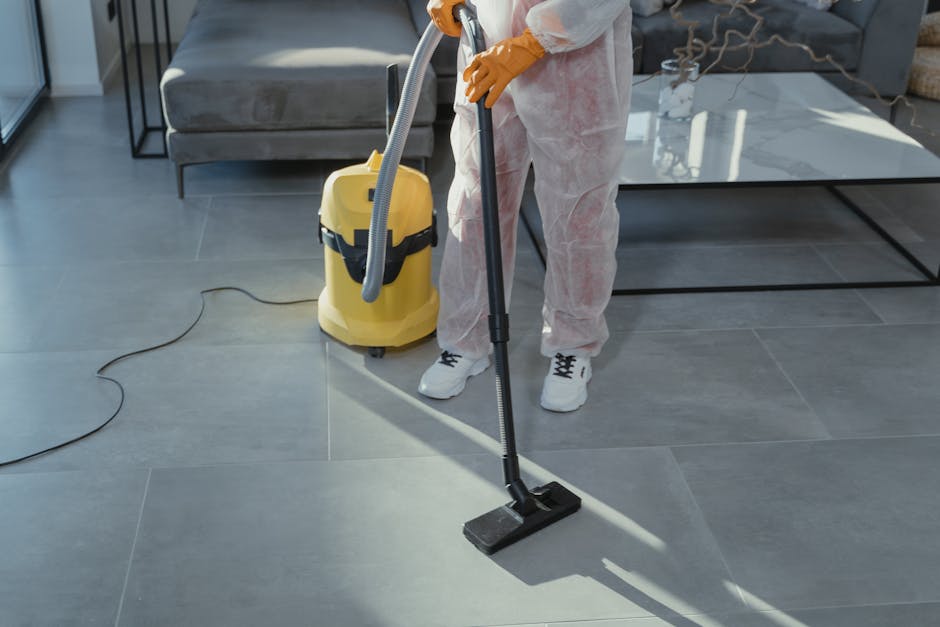
Hard floor cleaning can be useful where tiled, sealed or other resilient surfaces have lost their clean look through regular traffic. Carpet cleaning is more appropriate for textile floor coverings that trap dirt in the pile and need a deeper treatment than vacuuming alone can provide. For smaller or more delicate rugs, rug cleaning may be the better route, especially if the item needs attention without being handled as a fitted floor covering.
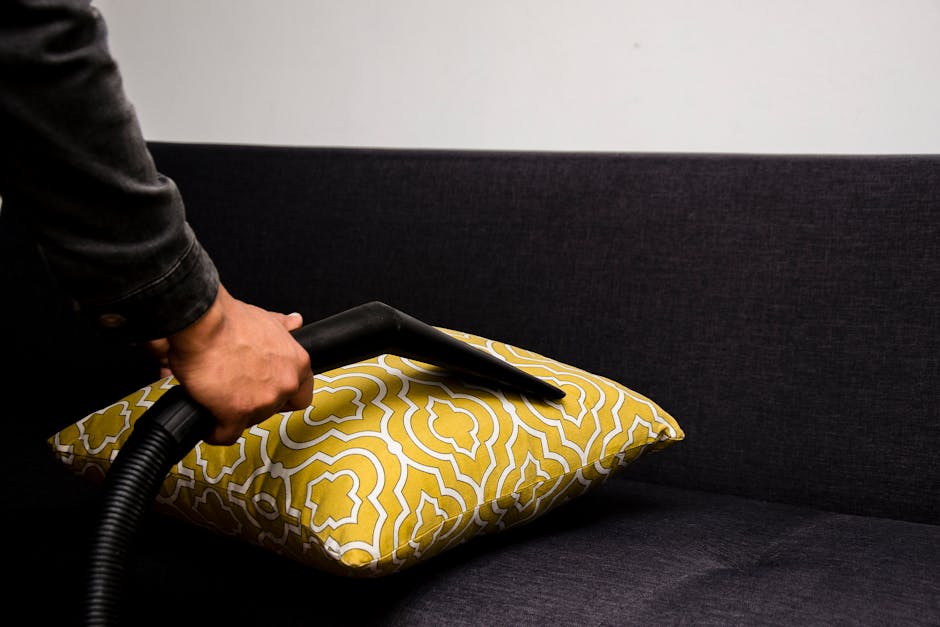
Soft furnishings often need a similarly careful approach. Upholstery cleaning is a broader service for fabric seating and fixed furniture, while sofa cleaning narrows that down to one of the most heavily used items in many homes. Ask for a quote if you need help deciding which service suits the material, the stain type or the level of wear most accurately.
Kitchen and finish-focused cleaning tasks
Kitchens often need more attention than other rooms because they combine food preparation, moisture, grease and frequent handling of doors, handles and worktops. Oven cleaning is a good example of a finish-focused task that can make a real difference to the condition of a kitchen. Rather than leaving built-up residue to accumulate, the work can be directed at the appliance surfaces and the places where residue is most visible or most difficult to remove by ordinary means.
Oven cleaning is usually best scheduled when the appliance has become noticeably soiled, when the kitchen is being reset for regular use or when a property is being prepared for inspection, sale or rental turnover. Some clients also want the surrounding area cleaned as part of a wider kitchen service, so the appliance work can sit alongside general kitchen wiping and floor attention. That makes the result feel more complete rather than isolated to one item.
Windows and other visible finishes can matter just as much when the aim is to improve how a room feels. Window cleaning supports brighter, cleaner-looking interiors and can be useful for rooms where light and first impressions matter. Let us know which surfaces matter most to you, especially if the task is as much about presentation as it is about hygiene.
Office cleaning for practical workplaces

Office cleaning needs a different rhythm from domestic work because it is shaped by desks, shared touchpoints, meeting spaces and the steady movement of people through the building. The aim is to keep the workplace tidy, usable and presentable without disrupting the flow of the day more than necessary. That can include waste emptying, surface wiping, floor care, washroom attention and the cleaning of common areas that visitors and staff see repeatedly.
Office cleaning can be organised around the specific rooms or zones that matter most in a business setting. For some workplaces, that means reception spaces and meeting rooms first; for others, it means kitchens, shared facilities and circulation areas where dirt and fingerprints build up quickly. The job is often easier to manage when the scope is clear, because the cleaner can then focus on the spaces that affect both appearance and day-to-day practicality.
Office cleaners may be a better fit when the requirement is for regular support rather than an occasional visit. The benefit of a repeat arrangement is that it can keep standards steadier across the week or month, especially in areas that are used by different people at different times. Request a quotation if your workplace needs a clear plan that fits around occupancy, opening hours or the layout of the premises.
House clearance and broader property clear-outs
There are times when cleaning alone is not enough because a property contains unwanted items, accumulated contents or spaces that need to be cleared before they can be properly cleaned. House clearance addresses that larger task by dealing with the removal of items so that rooms can be made ready for their next stage of use. It is often relevant after a move, before refurbishment or when a property has simply gathered more than it should have over time.
House clearance is best treated as a separate service from routine cleaning because the focus is on what needs removing and organising before the finishing work begins. Once the space is clearer, other cleaning tasks can be more effective and less awkward to carry out. That is particularly true in rooms where access has been restricted by stored items or where the state of the room makes it difficult to reach key surfaces safely.
If you are deciding between clearance and cleaning, think about the condition of the space and whether the main issue is clutter, dirt or both. In some cases, a limited clearance opens the way for a much better clean afterwards; in others, the objective is simply to return the property to a workable baseline. Get in touch if you want to discuss which type of help is most suitable before any work is arranged.
Pricing, scope and quotation details
Cleaning prices usually depend on the size of the property, the type of service required, the condition of the rooms and the amount of time needed to do the job properly. Specialist treatments can also vary according to the material involved, the number of items or rooms to be cleaned and whether the task is part of a larger visit. Rather than assuming a fixed pattern, it is usually better to describe the work clearly so the quotation reflects the actual scope.
Pricing and quotes should be requested with enough detail to show what needs attention and what result you want from the service. If there are awkward access points, delicate surfaces, stubborn marks or areas that need priority treatment, those details can help shape a more accurate response. It is often useful to state whether you want a regular arrangement, a one-off visit or a specialist clean, as each of those options is priced and planned differently.
A sensible enquiry is one that gives the cleaner a realistic picture of the job while keeping the process simple for you. A short description of the property type, the rooms involved and any special focus areas is usually enough to start the conversation. Ask for a quotation when you are ready to compare the most suitable options for your home or business.
About Haringey
Haringey is a North London borough with a geography that runs from the higher ground of Muswell Hill and Highgate down through central districts such as Crouch End, Hornsey and Wood Green to the valley of the River Lea in the east. It was formed in 1965 from the former metropolitan boroughs of Hornsey, Tottenham and Wood Green, and its character reflects that layered history. The borough includes a mixture of dense residential streets, major town-centre activity and substantial green spaces, with Alexandra Palace standing out as one of its best-known landmarks. The palace, opened in 1873 and rebuilt after fire, sits on a ridge with wide views across London and has long been associated with exhibitions, entertainment and public gatherings. Haringey also contains part of the Lea Valley, where waterways, open land and transport corridors create a very different feel from the wooded, elevated west. Finsbury Park lies on the borough’s southern edge and is one of the area’s significant open spaces, while Bruce Castle Museum in Tottenham preserves a much older local story through its historic house and collections. The borough’s built environment ranges from Victorian terraces and mansion blocks to modern estates and high streets, so the streetscape changes noticeably from one district to another. Cultural life is similarly mixed, with theatres, markets, community venues and independent businesses contributing to a busy urban atmosphere. The combination of hills, valley land, rail links and long-established neighbourhood centres gives Haringey a varied identity within inner north London.
How to plan the right clean
The most useful cleaning plans are usually the ones that match the property’s actual condition, the time available and the result you expect at the end. A regular visit may be enough for an occupied home that simply needs steady upkeep, while a deeper clean may suit a place that has been left for longer or has one or two areas that need extra concentration. The same applies to commercial spaces, where the frequency and style of cleaning often depend on footfall, the number of shared areas and how the premises are used from day to day.
When you request a quotation, it helps to think in practical terms. Which rooms matter most? Which surfaces or materials need special handling? Is the task mainly maintenance, presentation or reset? These questions help define the work more clearly, and they can prevent unnecessary back-and-forth later. If the job includes carpets, upholstery, floors or appliances, listing those items separately is often the simplest way to make the scope obvious.
Contact us if you want to talk through the service and arrange a quotation that reflects the rooms, surfaces and level of detail you need.
Other cleaning services and useful choices

Not every property needs the same kind of clean, which is why it can be useful to match the task to the surface or setting rather than rely on a single generic service. House cleaning can cover general upkeep across a home, while home cleaners suits customers who want the emphasis placed on practical, repeatable support in lived-in spaces. For those looking for a broader company overview, cleaning company offers a route to the wider service picture.
Where the task is more targeted, service pages can help narrow the scope. Cleaner and Cleaners are general pages for the service style itself, while Carpet cleaner and Carpets cleaner relate more specifically to textile floor care. Oven cleaner supports customers who need appliance-focused work, and Facade cleaning is available for external surfaces where appearance and build-up need attention.
If you are still deciding which route is most suitable, compare the room type, the material involved and whether the job is routine, restorative or preparatory. A straightforward enquiry with those details is usually enough to point the work in the right direction. Ask for a quotation when you are ready to choose the most appropriate service for your property.