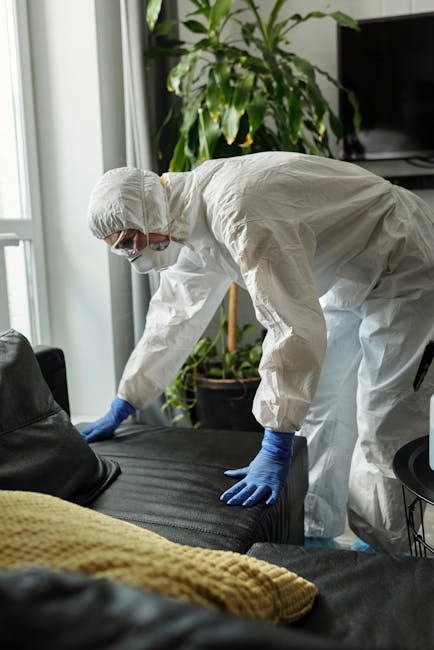
Common mistakes with upholstery cleaning in Haringey
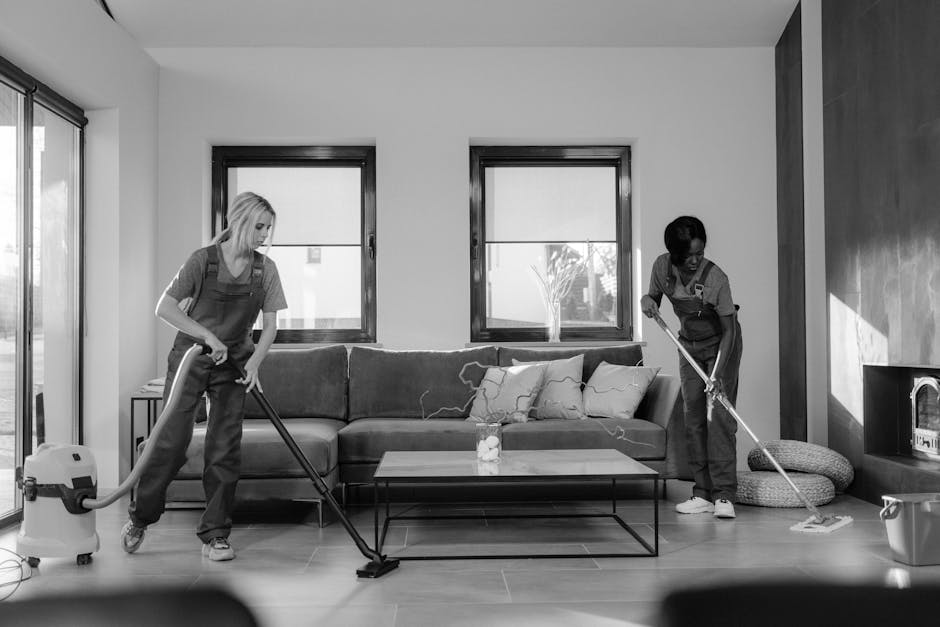
If you have ever stared at a sofa arm with a dark patch that just will not budge, you already know the trap: upholstery cleaning looks simple until it isn't. In Haringey, where homes range from busy family flats to period terraces and compact rental properties, the most common mistakes with upholstery cleaning in Haringey can turn a small spill into a bigger repair job. Too much water, the wrong product, rushed drying, or testing a cleaner in the wrong place - these are the little errors that quietly ruin fabric, leave odours behind, or make stains look worse the next day.
This guide breaks down what usually goes wrong, why it matters, and how to avoid expensive, frustrating results. If you want cleaner, fresher upholstery without gambling with the fabric, you are in the right place.
Why Common mistakes with upholstery cleaning in Haringey Matters
Upholstery is one of those things people ignore until it starts looking tired. Then one coffee splash, a pet smell, or a patch of grime on the headrest suddenly feels urgent. The problem is that fabric furniture is much more sensitive than hard surfaces. What seems like a harmless shortcut can leave a mark that is harder to remove than the original stain. Truth be told, that is where a lot of DIY cleaning goes off the rails.
In Haringey, this matters even more because homes often mix older fabrics, everyday family wear, rental turnovers, and limited drying space. A sofa in a North London flat may not have the airflow of a house with a spare room and open windows. If you over-wet the fabric or use the wrong technique, you can end up with lingering dampness, odours, or mildew. Not ideal. Not even close.
There is also the value angle. Upholstery is expensive to replace, and many people would rather extend the life of what they already have. That only works if the cleaning is done carefully. The right approach supports the fabric, the filling, and the room it lives in. The wrong one can flatten fibres, spread stains, or strip colour. Small mistake, big consequence.
Expert summary: Most upholstery damage comes from over-wetting, using the wrong chemical, scrubbing too hard, or skipping proper drying. If you avoid those four things, you have already avoided a lot of trouble.
How Common mistakes with upholstery cleaning in Haringey Works
Good upholstery cleaning is not just about making fabric look brighter. It is a process of loosening soil, lifting contamination, and removing residue without damaging the material underneath. The method depends on the fabric type, the stain, and how the furniture is constructed. A velvet armchair, a polyester family sofa, and a wool-blend dining chair need very different handling. Obvious, maybe, but this is where many people skip straight to the spray bottle.
A careful clean usually starts with inspection. You identify the fabric, check for care labels, and look for problem areas such as seams, piping, and sun-faded panels. Then you remove dry debris first. Vacuuming matters more than most people think because grit behaves like sandpaper once you start rubbing it around. After that comes spot testing, pre-treatment, controlled cleaning, and drying. Simple in theory. In practice, each step needs restraint.
One of the biggest misunderstandings is assuming that more solution means better cleaning. It doesn't. Too much cleaner can leave residue that attracts dirt again faster, and too much water can push staining deeper into the filling. Another common issue is scrubbing in circles like you are polishing a table. Upholstery is not a tabletop. Fibres can distort, pile can mat, and stains can spread outward.
If the furniture is heavily soiled or delicate, a specialist process may be better than a one-size-fits-all DIY approach. That is especially true for mixed fabrics, antique pieces, or furniture that has seen years of daily use. If you want a broader overview of how care and fabric knowledge fit together, the main upholstery cleaning service page is a useful starting point, and the sofa cleaning service is especially relevant for larger lounge pieces.
Key Benefits and Practical Advantages
When upholstery cleaning is done properly, the benefits are immediate and a bit underrated. The room feels fresher. The fabric looks lighter. Odd smells fade. And, perhaps best of all, the furniture tends to age more gracefully. That last point is the one people miss. You are not just cleaning for today; you are protecting the piece for the next few years.
- Better appearance: Dirt, body oils, and everyday marks are lifted instead of being smeared around.
- Longer fabric life: Careful cleaning helps reduce abrasion and premature wear.
- Improved indoor comfort: Upholstery can trap dust and odours; cleaning helps keep a room feeling less stale.
- Better results for stain treatment: Early, appropriate action often stops a stain from setting.
- Less risk of fabric damage: The right method avoids shrinkage, dye bleed, and pile distortion.
There is also a practical benefit for landlords, tenants, and busy households. Furniture gets used hard. Kids jump on it. Pets nap on it. People eat on it when they say they won't. Let's face it, real life happens on sofas. A sensible cleaning routine makes the fabric more forgiving and keeps the space looking cared for, even when the week has been a bit chaotic.
Who This Is For and When It Makes Sense
This advice is for anyone who wants to avoid ruining upholstery while cleaning it. That sounds broad because it is. Homeowners, tenants, landlords, letting agents, and office managers all run into the same problem: the furniture is dirty enough to bother them, but delicate enough to punish a heavy hand.
It makes sense to take a careful approach if you are dealing with:
- stains from drinks, food, pets, or makeup
- odours from smoke, damp, or regular household use
- faded patches where cleaning has been attempted before
- rental move-outs where presentation matters
- family seating that gets daily use
- office sofas or reception furniture that sees constant traffic
If you are managing a wider property cleaning schedule, upholstery often sits alongside other tasks such as deep cleaning, domestic cleaning, or even office cleaning where soft furnishings are part of the general upkeep. The point is not to treat fabric in isolation. It belongs to the whole room.
Sometimes the most sensible decision is simply not to keep experimenting. If a stain has already been pushed around three times, or the fabric feels crunchy after a previous attempt, that is a strong sign to stop and reassess. A little patience here saves a lot of grief later.
Step-by-Step Guidance
Here is a safe, practical way to approach upholstery cleaning without falling into the usual traps. You do not need specialist jargon. You do need a steady hand.
- Check the care label. Look for cleaning instructions before applying anything. If a fabric says dry-clean only, take that seriously.
- Vacuum thoroughly. Use an upholstery attachment and remove crumbs, grit, pet hair, and loose dust from seams and corners.
- Test in a hidden spot. A small patch behind a cushion or near the base can reveal colour transfer or texture changes before they become a full-furniture problem.
- Choose the right cleaner. Use a product suited to the fabric type. Gentle is usually better than aggressive.
- Work lightly and evenly. Apply small amounts and avoid soaking the surface. Think controlled, not dramatic.
- Blot, do not scrub. A clean cloth is usually safer than hard rubbing. Dab from the outside of the stain inward.
- Allow proper drying. Airflow matters. Open windows where possible and do not sit on the furniture too soon, tempting though that may be.
- Inspect once dry. Some stains resurface as the fabric dries. If that happens, it may need a second careful pass rather than a heavier attack.
A useful rule of thumb: if you are making the fabric wetter each minute, you are probably doing too much. The aim is controlled moisture, not a mini flood. Mildly obvious, yes, but very easy to ignore when you are in a hurry.
Expert Tips for Better Results
In practice, good upholstery cleaning comes down to judgement. You learn to read the material and respond appropriately. That sounds a bit grand, but it really is mostly about patience and restraint.
- Start with the least aggressive method. A gentle approach often solves the problem without side effects.
- Use white cloths where possible. Coloured cloths can transfer dye, especially on lighter fabrics.
- Work from clean to dirty. Don't drag grime from a heavily used armrest into a cleaner seat area.
- Keep moisture even. Patches of excess wetness dry differently and may leave tide marks.
- Pay attention to seams and piping. These areas trap dirt and are easy to overwork.
- Be careful with steam. Steam can help in the right hands, but on delicate upholstery it can also cause shrinkage or flattening.
One small but important tip: if a room feels stuffy, drying slows down. Even on a grey London day, a bit of airflow can make all the difference. Open a window if the weather allows, move a fan safely nearby, and let the fabric dry naturally. It is not glamorous, but it works.
If you are comparing upholstery care with other fabric cleaning tasks, you may also find it useful to look at rug cleaning because rugs and soft furniture often share similar problems: colour sensitivity, embedded dirt, and drying concerns. Similar principles, different shape. Annoying, but true.
Common Mistakes to Avoid
This is the section that saves people the most money. These are the errors that repeatedly cause avoidable damage.
1. Using too much water
Over-wetting is the classic mistake. It pushes soil deeper, slows drying, and can encourage odours or mildew. It can also leave water rings that show up when the fabric dries. If the piece feels damp for hours, that is usually a sign the method was too heavy.
2. Skipping the spot test
Testing a cleaner on a hidden area is not optional. Some fabrics darken, some lose colour, and some react badly only after they dry. That is the sneaky part. Everything looks fine at first, then later... not so much.
3. Scrubbing stains aggressively
Scrubbing can rough up the fibres, spread the stain, or flatten the pile. Blotting is usually safer. If the stain is stubborn, use a careful repeat process rather than force.
4. Using the wrong product on delicate fabric
Fabric type matters. A cleaner that works on synthetic upholstery may be too harsh for wool, silk blends, or vintage fabric. Strong chemicals can strip colour or leave a sticky residue that attracts dirt faster than before.
5. Ignoring the care label
It sounds basic, but it is one of the most expensive mistakes. Care labels are there because the manufacturer knows how the material behaves. If the label says professional cleaning only, that usually means the risk of DIY is not worth it.
6. Drying too slowly
Slow drying is a common cause of odour. Furniture should be left in a well-ventilated space and checked before use. A sofa that feels fine to the touch may still be damp inside the cushions.
7. Cleaning only the stain and not the surrounding area
Spot-cleaning a stain without blending the edges can leave a halo or tide mark. Sometimes it is better to clean a larger section evenly, especially on visible seating areas.
8. Forgetting about hidden dirt
Armrests, back cushions, undersides, and the gap between seat cushions collect more grime than people expect. If you only clean the obvious mark, the rest of the piece can still look dull and uneven.
These mistakes are often made in good faith. People want to fix the problem quickly. Fair enough. But upholstery is one of those surfaces that rewards slow, careful work and punishes impatience. Rather rude, if you ask me.
Tools, Resources and Recommendations
You do not need a van full of gadgets to clean upholstery properly. In fact, fewer tools can be better if they encourage a calmer method.
| Tool or item | What it helps with | Why it matters |
|---|---|---|
| Upholstery vacuum attachment | Dust, crumbs, pet hair | Prevents grit from being rubbed into the fabric |
| White microfibre cloths | Blotting and gentle cleaning | Reduces risk of dye transfer |
| Soft-bristled brush | Light agitation on suitable fabrics | Helps lift soil without harsh scrubbing |
| Fabric-safe cleaning product | Spot treatment and general refresh | Less likely to damage delicate upholstery |
| Fan or good ventilation | Drying | Helps reduce lingering dampness and odour |
For households that prefer a broader maintenance plan, it can help to combine upholstery care with one-off cleaning or regular house cleaning. That way, the fabric is not constantly fighting dust, spills, and everyday debris on its own. If the furniture sits in a larger cleaning programme, it usually stays looking better for longer.
And if you want to understand the service side a bit more before booking anything, the company's pricing and quotes page is a sensible place to look at how jobs are usually assessed. Clear expectations are underrated.
Law, Compliance, Standards, or Best Practice
Upholstery cleaning is not a heavily regulated area in the same way some trades are, but that does not mean standards do not matter. In the UK, the practical expectations are mostly about safety, clear communication, and using cleaning methods responsibly. If a cleaner is working in your home or business, they should take reasonable care with surfaces, fabrics, and any products used. That is just good practice.
From a customer point of view, a trustworthy provider should be able to explain what they are doing, what the risks are, and what outcomes are realistic. If the fabric is fragile, heavily stained, or at risk of colour loss, that should be said plainly. No glossy promises. No pretending every mark can disappear instantly. Real life isn't like that.
It also makes sense to look for providers who take safety seriously. For example, you can review details such as insurance and safety and the company's health and safety policy if you want extra reassurance before letting anyone work on your furniture. For privacy and service terms, the relevant privacy policy and terms and conditions are there too.
Best practice in this area is simple: inspect, test, clean gently, and dry properly. Everything else builds on those four steps.
Options, Methods, and Comparison
Different upholstery jobs call for different methods. Choosing the wrong one is a common reason results disappoint. Here is a straightforward comparison.
| Method | Best for | Strengths | Risks if misused |
|---|---|---|---|
| Vacuuming and dry maintenance | Routine upkeep | Removes loose soil, very low risk | Misses stains and embedded grime |
| Spot cleaning | Small fresh marks | Targeted and efficient | Can leave rings if blended badly |
| Light damp cleaning | General refresh on suitable fabrics | Useful for everyday dirt and mild odours | Over-wetting, slow drying, residue |
| Professional upholstery cleaning | Delicate, valuable, or heavily soiled pieces | More control, better fabric matching, reduced risk | Still needs correct fabric assessment |
If the piece is a high-use sofa or a fabric chair in a busy front room, a careful damp-cleaning method may be enough. If it is delicate, antique, or already has a few failed DIY attempts behind it, professional help is usually the safer route. No shame in that. Sometimes it is the sensible move, and the sensible move is often the cheapest in the end.
Case Study or Real-World Example
Picture a common Haringey scenario: a light-coloured three-seater sofa in a flat near a busy high street. Someone spills tea, then tries to fix it quickly with a strong kitchen spray and a rough sponge. The stain fades a little, but the fabric around it darkens. Later that evening, the patch dries into a ring. The next day, it smells slightly damp. Not the outcome anyone hoped for.
What went wrong? Several things, actually. The cleaner was not tested first. Too much liquid was used. The stain was scrubbed instead of blotted. And the drying time was not managed. If the same sofa had been vacuumed first, lightly tested with a fabric-safe solution, and blotted in stages, the result would likely have been much better.
Another example: a landlord preparing a property for new tenants notices the arms of a sofa look grey and tired. Instead of replacing it, they arrange a proper upholstery clean alongside general end of tenancy cleaning. The room looks brighter, the sofa feels fresher, and the furniture keeps its place for another letting cycle. Simple enough, but it shows how upholstery cleaning supports the bigger picture.
The real lesson? Most upholstery cleaning failures come from treating fabric like a hard surface. Once you stop doing that, your results improve fast.
Practical Checklist
Before you clean any upholstered furniture, run through this checklist. It takes a minute and can save a lot of headache.
- Read the care label first
- Vacuum seams, cushions, and hidden edges
- Test the product in an out-of-sight spot
- Use a fabric-safe cleaner
- Apply only a small amount of moisture
- Blot rather than scrub
- Work from the outside of a stain inward
- Allow plenty of drying time
- Check for colour change or tide marks after drying
- Stop if the fabric starts to feel rough, sticky, or overly wet
If you tick all ten, you are already ahead of the average DIY attempt. That may sound like a low bar, but there we are.
Get a free quote today and see how much you can save.
Conclusion
Common mistakes with upholstery cleaning in Haringey usually come down to speed, guesswork, and overconfidence. The good news is that most of them are avoidable. With the right fabric check, a light touch, careful drying, and a bit of patience, upholstery can look cleaner and last longer without drama.
That is really the aim: not perfection, just thoughtful care that protects the furniture you already own. And if the job feels too delicate, too large, or too risky, stepping back is not failure. It is common sense. Sometimes the calmest approach is the smartest one, and honestly, your sofa will thank you for it.
Frequently Asked Questions
What is the biggest mistake people make with upholstery cleaning?
The biggest mistake is usually using too much water or the wrong cleaning product. Both can damage fabric, leave rings, and slow drying.
Can I clean upholstery with normal household cleaner?
Sometimes, but not always. Many household cleaners are too harsh for soft furnishings. Always test first and check the fabric care label.
Why does my sofa look worse after cleaning?
This often happens when moisture spreads the stain, residue is left behind, or the fabric dries unevenly. A visible tide mark is a common clue.
How do I know if upholstery is safe to clean myself?
If the care label allows gentle wet cleaning, the fabric is sturdy, and the stain is small, DIY may be fine. If it is delicate, valuable, or already damaged, be cautious.
Should I scrub a stain out of a sofa?
No, not usually. Scrubbing can spread the stain and damage the fibres. Blotting is generally safer and more controlled.
How long should upholstery take to dry?
Drying time depends on the fabric, room airflow, and how much moisture was used. The key is that it should feel fully dry before normal use.
Can upholstery cleaning remove pet odours?
It can help reduce odours if the cleaning reaches the source and the fabric is dried properly. Deep-set smells may need a more careful treatment.
Is steam cleaning safe for all upholstery?
No. Steam can be useful on some fabrics, but it is not suitable for every material. Delicate upholstery may shrink, distort, or lose texture.
What should I do before booking a professional upholstery clean?
Check the fabric type, note any stains or wear, and ask about cleaning methods and drying expectations. It helps to be clear about the furniture's condition.
Is upholstery cleaning worth it for older furniture?
Often, yes. If the frame and fabric are still sound, cleaning can freshen the piece and extend its usable life. If the material is already failing, though, cleaning may only do so much.
How does upholstery cleaning fit into a wider home cleaning plan?
It works best as part of regular upkeep alongside tasks like professional cleaning support, home cleaners, or periodic one-off cleaning. That keeps dust, spills, and wear under control.
What if I have already made a mistake while cleaning my upholstery?
Stop adding more product. Let the fabric dry, assess the damage, and avoid more rubbing. If the mark has spread or the fabric feels altered, it may need professional attention.