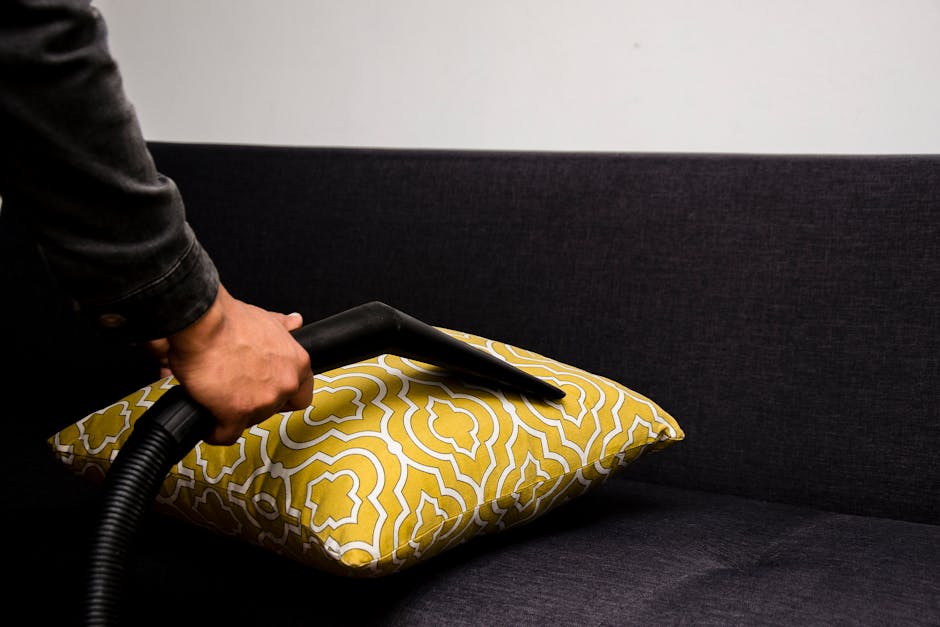
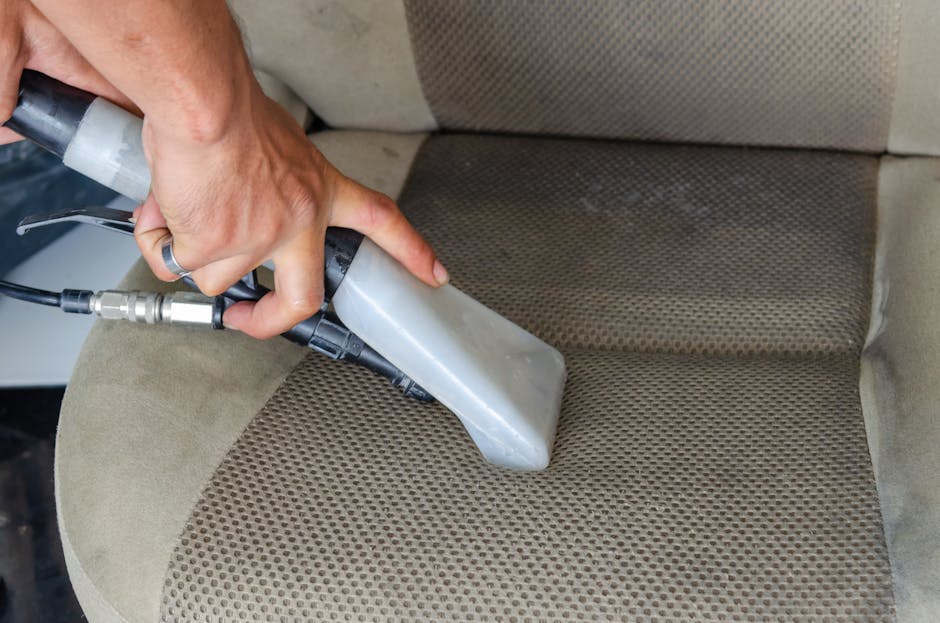
Alexandra Palace upholstery cleaning specialists in Haringey
If your sofa is looking a bit tired, your dining chairs have picked up everyday marks, or that armchair has started holding onto smells you can't quite place, you're in the right place. Alexandra Palace upholstery cleaning specialists in Haringey help restore fabric and leather furniture with the sort of care that goes beyond a quick surface wipe. In a busy home, especially one near a high-traffic local spot like Alexandra Palace, upholstery gets used hard. Spills happen, pets hop on and off, dust settles, and suddenly the furniture that used to feel fresh starts feeling dull.
This guide explains what professional upholstery cleaning involves, why it matters for homes and businesses in Haringey, and how to choose the right approach for your fabric type, stain issue, and budget. You'll also find practical advice, a comparison table, and a simple checklist so you can make a sensible decision without the guesswork.
For those who want to learn more about the company behind the service, you can also review the about us page, or if you are comparing next steps, the pricing and quotes information is a useful place to start.
Table of Contents
- Why Alexandra Palace upholstery cleaning specialists in Haringey Matters
- How Alexandra Palace upholstery cleaning specialists in Haringey Works
- Key Benefits and Practical Advantages
- Who This Is For and When It Makes Sense
- Step-by-Step Guidance
- Expert Tips for Better Results
- Common Mistakes to Avoid
- Tools, Resources and Recommendations
- Law, Compliance, Standards, or Best Practice
- Options, Methods, or Comparison Table
- Case Study or Real-World Example
- Practical Checklist
- Conclusion
- Frequently Asked Questions
Why Alexandra Palace upholstery cleaning specialists in Haringey Matters
Upholstery cleaning is one of those jobs people put off until the sofa really starts telling on them. You sit down, notice a faint odour, or spot a coffee ring that seemed harmless at first. Then the room begins to feel less comfortable. That's the simple truth. Upholstery is a major part of how a room looks, smells, and feels, and it often carries more daily wear than people realise.
In Alexandra Palace and the wider Haringey area, homes tend to see a mix of city dust, street-level grime, rain-soaked shoes, pet hair, and everyday spillages from busy family life. Fabric fibres can hold onto fine particles, allergens, and stale odours. Leather can dry out or become patchy if it's cleaned badly. So a proper upholstery service isn't just about making a couch look pretty again. It's about protecting the item, keeping the room fresher, and avoiding premature replacement.
There's also the practical side. A decent sofa, corner unit, or set of dining chairs is not cheap to replace. If the fabric can be safely cleaned and revived, that usually makes far more sense than shopping for a new one before its time. To be fair, furniture that looks grim often still has years left in it.
Expert summary: A good upholstery clean should remove visible soil, tackle odours, protect the fabric's condition, and leave the item dry enough to use again without fuss. If it only smells perfumed for a day, that's not really cleaning. That's masking.
How Alexandra Palace upholstery cleaning specialists in Haringey Works
Professional upholstery cleaning is usually a careful process rather than a one-size-fits-all blast of water and detergent. The right method depends on the item's fabric, construction, age, and level of soiling. A reputable cleaner will inspect the furniture first, because the wrong technique can cause shrinkage, dye transfer, water marking, or fibre distortion. Nobody wants that. Nobody.
The process generally starts with identification. Is it cotton, polyester, wool blend, velvet, microfiber, or leather? Is the cover fixed or removable? Are there warning labels or manufacturer cleaning codes? These details matter because they influence what products and moisture levels are safe to use. A velvet armchair in a front room needs a more delicate touch than a hard-wearing synthetic family sofa that's seen better days.
Next comes preparation. Loose debris is removed, the fabric is pre-tested in a discreet area, and spots are treated using products matched to the stain type. After that, the cleaner may use hot water extraction, low-moisture cleaning, dry cleaning, or a specialist leather treatment depending on the item. The final stage is often grooming, careful drying, and a final check to make sure the result is even and safe.
The best services also explain what you should expect after cleaning. Drying times vary. Some items may be touch-dry quite quickly, while deeper cleaning methods need longer. Windows open, a fan, and a bit of patience can help. It's rarely dramatic, but it does matter.
If you want reassurance around safety and professional standards, it can help to review the company's health and safety policy and insurance and safety information before booking.
Key Benefits and Practical Advantages
There are obvious benefits to upholstery cleaning, but the practical ones are often the most convincing. A clean sofa does more than look tidy in photos. It changes how the room feels when you walk in on a damp London afternoon and just want the place to smell like home again.
- Improved appearance: Everyday soiling, dullness, and scattered marks are reduced, which makes the whole room look more cared for.
- Freshened smell: Fabrics absorb cooking odours, pet smells, and general household life. Cleaning helps lift that build-up.
- Better fabric care: Correct cleaning can slow wear and help preserve the texture and colour of the upholstery.
- More comfortable living space: A cleaner sofa, chair, or footstool simply feels better to use. Small thing, big difference.
- Potential value protection: Extending the life of furniture often makes better financial sense than replacing it early.
- Greater confidence for guests: If you host family, friends, or clients, it's easier when seating looks presentable and smells clean.
There's a less obvious benefit too: peace of mind. When upholstery has been cleaned by a specialist, you're less likely to worry about hidden residue, harsh product damage, or damp patches that linger for ages. That reassurance counts.
For customers who like clarity before booking, the contact us page is useful if you want to ask about fabric concerns, access issues, or the type of furniture you need cleaned.
Who This Is For and When It Makes Sense
Upholstery cleaning is not just for people with obvious stains. In fact, the best time to clean is often before furniture looks dramatically dirty. That sounds slightly boring, maybe, but it's true. Preventative care usually works better than rescue mode.
This service makes sense for a wide range of people and properties:
- Families with children: Little hands, snack crumbs, juice spills, sticky fingerprints. Enough said.
- Pet owners: Fur, dander, muddy paws, and the odd accident can all settle into fabric.
- Renters and landlords: Clean upholstery can help a property feel more presentable between tenancies.
- Homeowners preparing for visitors: A dining chair set or living room sofa often takes centre stage in a home.
- Offices and hospitality spaces: Reception seating, waiting areas, and soft furnishings need to stay professional and hygienic.
- People with allergies or sensitivities: Removing built-up dust and debris can make the room feel more comfortable, though individual results vary.
It also makes sense if you notice one of these signs: a fabric seems darker in the armrests, a scent lingers after regular vacuuming, or a once-bright colour has turned flat and tired. Sometimes the furniture has not changed much at all; it's just carrying the weight of everyday life.
If you are comparing options or timing, checking the company's pricing and quotes guidance can help you plan around your budget without guessing.
Step-by-Step Guidance
If you've never booked upholstery cleaning before, the process can feel a bit vague. What actually happens? How long does it take? What should you do before the cleaner arrives? Here's a straightforward breakdown.
- Identify the furniture and fabric type. Note whether it's a sofa, armchair, dining chair, headboard, or footstool. If you have the maker's label, keep it handy.
- Describe the problem honestly. Stains, odours, pet hair, drink spills, food marks, general dullness. The more open you are, the better the approach.
- Check access and setup. Cleaning usually needs room to work. A quick clear-up of side tables, throws, and small items helps a lot.
- Ask about cleaning method. The right method depends on fabric and condition, not just what sounds strongest. Stronger is not always smarter.
- Pre-test and spot treat. A professional should test products in a discreet area before treating the whole item.
- Carry out the clean. This may involve extraction, low-moisture cleaning, or another specialist method.
- Allow proper drying. Keep the area ventilated and avoid heavy use until the item is genuinely dry.
- Review the result. Good cleaners will explain any remaining marks that are permanent or limited by fabric age.
A small but useful tip: take a quick photo of the item before the clean if you're worried about a specific stain. It helps everyone stay on the same page. Not because things go wrong all the time, but because life is life, and a visual reference can be handy.
Expert Tips for Better Results
There are a few things that really make a difference, and they're not complicated. The biggest wins often come from the basics done well.
1. Act early on spills
Blot liquid spills gently with a clean, absorbent cloth. Do not rub. Rubbing tends to push the stain deeper and spread it wider. If something sticky has settled in, leave aggressive scrubbing out of it. That battle usually ends badly.
2. Know your fabric
Different upholstery fibres react differently to moisture and cleaning solutions. Velvet, wool blends, delicate natural fibres, and leather all need a more cautious approach than standard synthetic fabric. If you are unsure, ask before anyone starts.
3. Vacuum regularly
Regular vacuuming with a suitable upholstery attachment removes loose grit before it embeds in the fibres. That small habit can extend the time between deep cleans quite a bit.
4. Keep sunlight in mind
Direct sunlight can fade some fabrics over time. If one side of a sofa faces a bright window, you might notice uneven ageing. Rotating cushions or adjusting layout can help a little.
5. Don't overload detergent
Too much product can leave residue, attract soil, and make the fabric feel tacky. This is one of those cases where more really is less. A lot less.
One more practical note: if your home has delicate flooring, new paintwork, or awkward access, say so in advance. A careful cleaner will appreciate the heads-up and plan accordingly.
Common Mistakes to Avoid
Most upholstery damage happens because someone tried to fix a problem quickly. That's understandable, but the fix can be worse than the issue if the method is wrong.
- Using the wrong cleaning product: Household cleaners can bleach, stain, or stiffen upholstery fibres.
- Soaking the fabric: Oversaturation can lead to water marks, long drying times, and mould risk in severe cases.
- Ignoring care labels: Fabric codes and manufacturer guidance exist for a reason.
- Scrubbing stains aggressively: That often spreads the mark and roughs up the pile.
- Skipping a test patch: A hidden test area can prevent an expensive mistake on visible fabric.
- Using furniture too soon: Sitting on a damp sofa too early can flatten fibres or transfer soil back into the fabric.
Another common issue is expecting a miracle. Most professional cleaning improves fabric dramatically, but some marks are permanent, especially if dyes have transferred or the upholstery has already been damaged by previous DIY attempts. A good specialist should be clear about that upfront. Honest advice beats overpromising every time.
Tools, Resources and Recommendations
Good upholstery cleaning relies on the right equipment, but it also relies on judgement. The kit matters, yes, yet the person using it matters just as much. Here's what tends to be involved in a careful, well-run service.
| Method or Tool | Best for | What to know |
|---|---|---|
| Upholstery vacuum attachment | Loose dust, crumbs, pet hair | A sensible first step before any deeper treatment. |
| Spot treatment solutions | Food, drink, grease, general marking | Should be matched to fabric type and stain source. |
| Hot water extraction | Many synthetic fabrics and deeper soiling | Uses moisture and extraction, so drying time matters. |
| Low-moisture cleaning | Delicate or fast-drying jobs | Useful where over-wetting would be risky. |
| Leather cleaning and conditioning products | Leather sofas and chairs | Leather needs cleaning plus care to avoid drying out. |
If you are choosing a provider, look for plain, specific explanations rather than flashy promises. A trustworthy company will usually be comfortable answering questions about process, safety, and what happens if a stain can't be removed completely. You can also check how they handle admin details like payment and security and whether their terms are easy to understand in the terms and conditions.
For readers who care about environmental choices, the company's recycling and sustainability information may also be worth a look, especially if you prefer a lower-waste approach where possible.
Law, Compliance, Standards, or Best Practice
Upholstery cleaning is not a highly regulated trade in the same way as some safety-critical services, but there are still strong best-practice expectations. Good providers should work carefully, use suitable products, manage risk sensibly, and treat your property with respect.
From a customer perspective, the main things to care about are straightforward:
- Insurance: The company should have appropriate cover in case of accidental damage or issues while working in your property.
- Health and safety: Tools, electrical equipment, cleaning chemicals, and wet surfaces all need sensible handling.
- Clear terms: You should know what is included, what is not, and how any concerns are handled.
- Privacy and data handling: If you share personal details for booking and payment, those should be managed responsibly.
- Fair complaints handling: If something needs attention, there should be a clear route to raise it.
That is why it can be helpful to read the company's privacy policy, complaints procedure, and accessibility statement before booking, especially if you want a smoother customer experience from the start.
In everyday terms, best practice just means this: don't cut corners, don't guess on fabric type, and don't leave the customer in the dark. Simple enough, really.
Options, Methods, or Comparison Table
Different upholstery types call for different methods. The best choice depends on the material, the soil level, and how quickly you need the item back in use. Here's a simple comparison to make the decision less muddy.
| Method | Pros | Potential drawbacks | Typical use case |
|---|---|---|---|
| Hot water extraction | Deep cleaning, strong soil removal, good for many synthetic fabrics | Longer drying time, not ideal for delicate textiles | Family sofas, busy seating, moderate-to-heavy soil |
| Low-moisture cleaning | Faster drying, less saturation, useful for sensitive items | May be less aggressive on heavily embedded grime | Delicate fabrics, quick turnaround needs |
| Dry cleaning methods | Minimal water, suitable for some fragile materials | Not suitable for every stain type or fabric | Specialist upholstery or materials with strict care requirements |
| Leather cleaning and conditioning | Helps remove dirt and maintain suppleness | Needs careful product matching and proper finishing | Leather sofas, chairs, office seating |
So which method is best? Usually the one that matches the fabric, not the one that sounds the most powerful. A careful specialist will explain the trade-offs instead of pretending there is one magic answer for every chair in London. There isn't.
Case Study or Real-World Example
Imagine a family in Alexandra Palace with a three-seat sofa in a living room that doubles as a homework space, snack zone, and film-night spot. Over time, the armrests pick up skin oils, the seat cushions darken slightly, and a faint food smell lingers even after vacuuming. Nothing dramatic, just the sort of slow build-up that sneaks up on you.
They call for upholstery cleaning because a new sofa would be a bigger spend than they want right now. The cleaner inspects the fabric, identifies a suitable method, and explains that the cushion covers are fixed, so on-site cleaning is the safer route. After pre-testing a hidden area, the stained sections are treated carefully, then the entire sofa is cleaned for an even finish.
The result is not a magic transformation into a showroom item, and nobody sensible would promise that. But the sofa looks brighter, the room smells fresher, and the family notices it straight away. You know that moment when a room suddenly feels lighter? That. They then keep up with routine vacuuming, use throws more carefully, and avoid scrubbing spills in the future. Small change, decent payoff.
That kind of outcome is common when the furniture is treated with the right method and realistic expectations. Good cleaning won't rewrite the age of an item, but it can certainly make it feel cared for again.
Practical Checklist
Before you book Alexandra Palace upholstery cleaning specialists in Haringey, run through this checklist. It keeps things simple and helps avoid last-minute faff.
- Identify the furniture type and fabric if you can.
- Note any visible stains, odours, or problem areas.
- Check whether the item has loose or fixed covers.
- Ask about the recommended cleaning method.
- Confirm whether the company is insured.
- Review safety, privacy, and terms information if needed.
- Clear the area around the furniture before the appointment.
- Ask how long drying is likely to take.
- Find out what happens if a stain cannot be fully removed.
- Plan for ventilation after cleaning.
If you are ready to take the next step, the simplest route is usually to make an enquiry and describe the item honestly. You can do that through the contact page and, if helpful, compare it with the company's quote guidance first. That way you're not guessing. And let's face it, guessing is what usually gets people into trouble with upholstery in the first place.
Conclusion
Alexandra Palace upholstery cleaning specialists in Haringey can make a real difference when furniture is looking dull, smelling stale, or just no longer feeling comfortable in the room. The best results come from matching the method to the fabric, treating stains carefully, and setting realistic expectations from the start. That combination is what protects the item and gives you the clean, fresh result you actually want.
Whether you are dealing with family life, pets, office seating, or a well-loved sofa that has simply reached the point where a professional refresh makes sense, a proper upholstery clean is often one of the most practical home maintenance decisions you can make. Not flashy, but genuinely useful. Sometimes that's the best kind of service.
Get a free quote today and see how much you can save.
And if you want to learn more about the people behind the service, a quick look at the about us page is a sensible next step. Clean furniture, calmer room, better day. Simple as that.
Frequently Asked Questions
What do Alexandra Palace upholstery cleaning specialists in Haringey actually clean?
They clean upholstered furniture such as sofas, armchairs, dining chairs, footstools, ottomans, cushions, and sometimes fabric headboards or office seating, depending on the material and condition.
Is upholstery cleaning safe for delicate fabrics?
It can be, but only when the correct method is used. Delicate fabrics need careful testing and often lower-moisture or specialist cleaning rather than heavy wet extraction.
How long does upholstery take to dry?
Drying time varies by fabric, cleaning method, room ventilation, and weather. Some pieces dry fairly quickly, while others need longer. A professional should give you a realistic estimate before starting.
Can stains always be removed completely?
No, and it's better to be honest about that. Some stains become permanent if they have set in, reacted with the fibre, or been treated incorrectly before the professional clean.
Will upholstery cleaning remove pet odours?
It often reduces or removes many odours, especially when the source is surface soil or general build-up. Deep-set pet accidents may need more targeted treatment and may not disappear entirely.
How often should I book upholstery cleaning?
That depends on use. Busy family homes, pet households, and commercial seating usually need cleaning more often than lightly used furniture. Many people choose to clean when the fabric starts looking tired rather than waiting for a major stain.
Do I need to move the furniture before the cleaner arrives?
Usually small items, side tables, and breakables should be moved away. The cleaner may shift lighter pieces if needed, but it's best to confirm access and setup beforehand.
Is leather upholstery cleaned the same way as fabric?
No. Leather needs different products and a gentler process, often including conditioning to help maintain suppleness. Using fabric methods on leather can cause damage.
What should I ask before booking upholstery cleaning?
Ask about the fabric-safe method, expected drying time, insurance, stain limitations, and whether the company has clear terms and a complaints process. It saves hassle later.
How do I know if my sofa needs professional cleaning or just vacuuming?
If the fabric looks dull, has visible marking, holds onto odours, or feels slightly sticky or rough in areas, vacuuming alone is usually not enough. Professional cleaning is often the sensible next step.
Can upholstery cleaning help if I have allergies?
It may help reduce built-up dust and debris in fabric, which can improve comfort for some people. Individual responses vary, so it is best seen as part of a broader cleaning routine rather than a medical solution.
How do I get a quote?
Use the company's contact page to share the type of furniture, fabric if known, condition, and any access details. If you want extra context first, the pricing and quotes page is a good place to look.
For policies, service standards, and practical customer information, it can also help to review the terms and conditions and privacy policy. That way everything is clear before the appointment, which is always nicer.